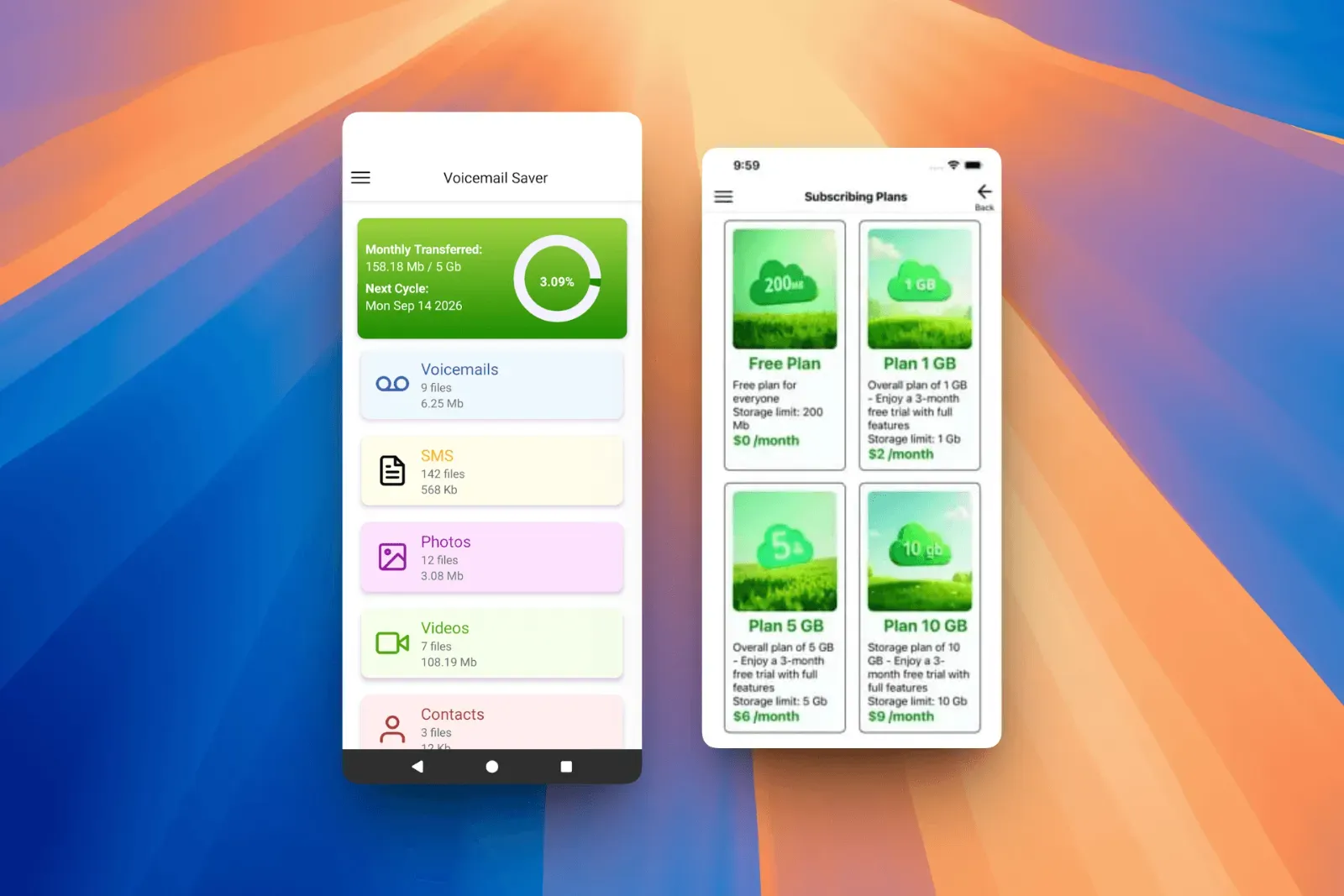
Voicemail Saver & Text Backup is a mobile app that archives voicemails, texts, photos and files to secure cloud storage, freeing up phone space.
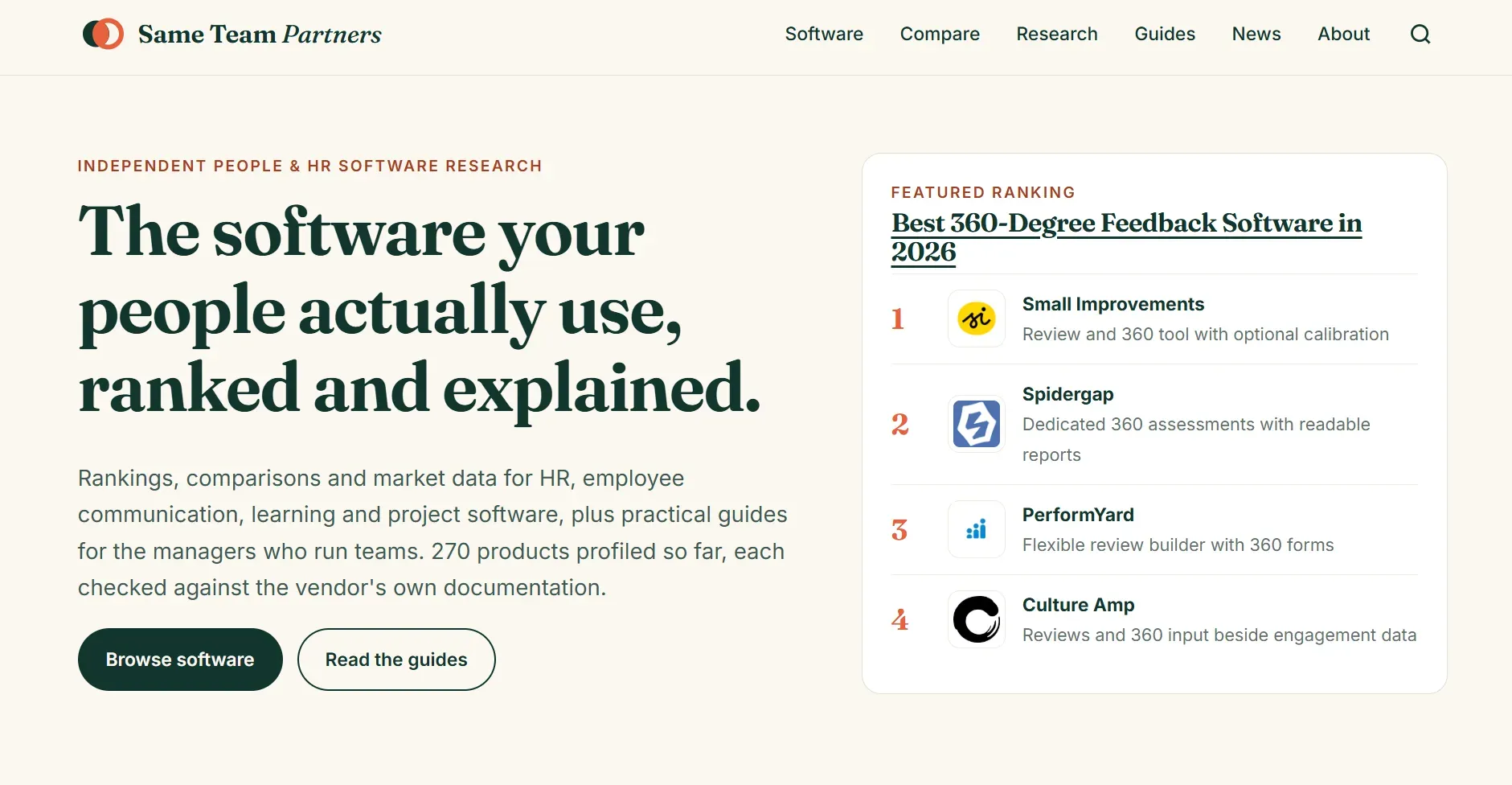

Independent research platform for HR, people management and team software, offering rankings, comparisons, market insights and practical software buying guides.
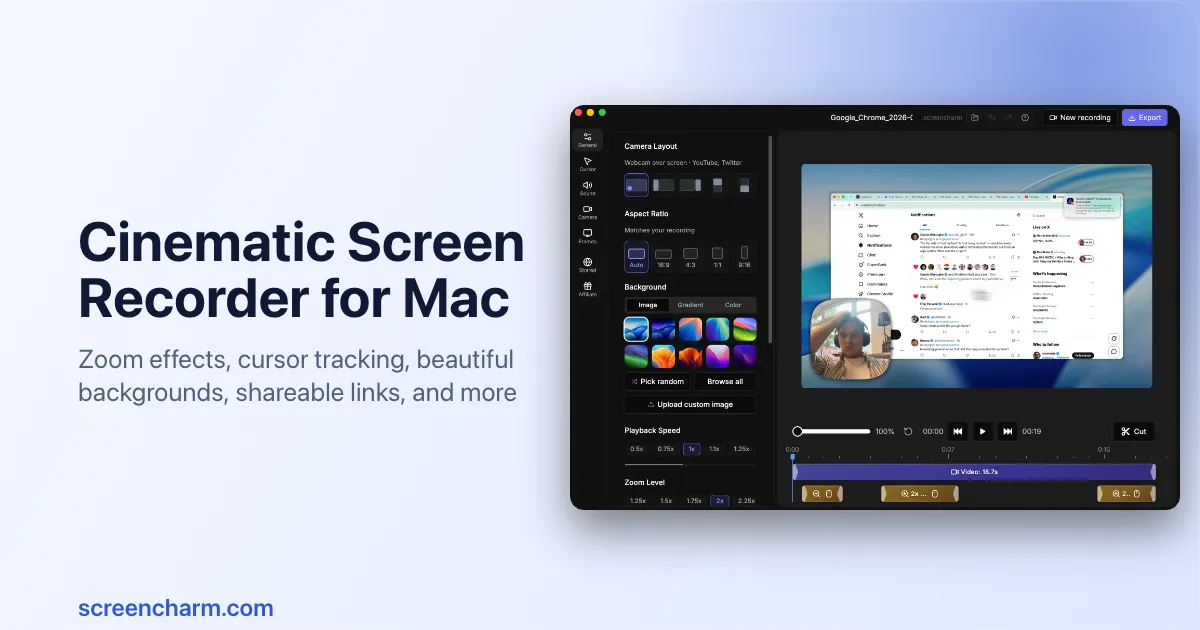

Mac screen recorder with automatic zoom, smooth cursor, captions, and 4K export for polished product demos and tutorials.
Submit your website to get discovered by thousands of potential customers and boost your SEO.
Get ListedVoicemail Saver & Text Backup is a mobile archiving application published by VoicemailSaver.com, a division of Sound Feelings Publishing that has worked in voicemail preservation since 2001. The product copies voicemail recordings, SMS threads, contacts, photos, videos, audio files and documents off a handset and into a secure cloud location, where they can be downloaded again to any device. It solves two persistent mobile problems at once: carrier voicemail boxes that silently erase old recordings once capacity is reached, and phone storage that fills up long before a user is ready to part with sentimental or business critical messages. The app is aimed at ordinary phone owners, family archivists, sole proprietors and anyone who has ever lost a recording that mattered, and it ships as a native iOS and Android download with a companion web portal for account access.
Single destination backup for voicemails, texts and media. The app handles far more than voice recordings. Users can push voicemail audio, text message threads, contacts, photos, videos, audio files and documents into one cloud archive, which means a single workflow replaces the usual patchwork of screenshotting texts, emailing voice memos and manually copying photos to a laptop.
No cables and no PIN codes. Traditional voicemail extraction often requires a desktop sync cable, a carrier voicemail PIN, or a third party desktop utility. Voicemail Saver & Text Backup moves files directly from the handset to the cloud, so the process works from anywhere a phone has a data connection and does not depend on remembering a carrier access code.
Tiered cloud storage with a permanently free entry plan. Storage is sold in tiers, with the lowest tier available at no cost for all customers and advanced tiers billed monthly according to usage. The published comparison chart shows escalating storage allowances, and the highest tier offers 10GB of headroom, which the company recommends during the initial trial so that file transfers are never throttled by a quota.
Three month free access to every tier. A promotional window running until February 15, 2027 grants full access to all paid tiers at no charge. The stated purpose is user feedback: the publisher is inviting testers to report bugs, flag friction points and request features, and it positions the promotion as an extended evaluation period rather than a limited trial.
Verified backup before local deletion. The recommended workflow is to confirm that files have landed in the cloud before removing them from the phone. That confirmation step is the practical mechanism behind the app's storage relief pitch, since users can reclaim handset space only after the archive is proven complete.
Cross device restore and download. Files stored in the cloud are not locked to the originating phone. Users can pull archived voicemails and texts down to another phone, a tablet or a computer, which supports device upgrades, platform switches and long term family record keeping.
Native apps plus a browser based account portal. Builds are distributed through the Apple App Store and Google Play, and existing subscribers can sign in at app.voicemailsaver.com to reach the cloud server from a desktop browser.
Getting started takes a few minutes. The user installs the app from the App Store or Google Play, searching for the exact listing name, Voicemail Saver & Text Backup, since the publisher explicitly warns that a similarly named competitor called Voicemail Saver appears nearby in search results and carries a different icon. After installation, the user creates an account, selects a storage tier, and grants the app access to the message categories to be archived.
During the promotional period the recommended path is to subscribe at the 10GB tier so the trial is not constrained by transfer limits, then downgrade later. From there the user selects voicemails, texts or media and initiates an upload. The app transmits the files to the secure cloud location and reports back when the transfer is confirmed. Only at that point does the user delete the originals from the phone, clearing carrier voicemail capacity and local storage in the same pass. Daily use afterward is light: occasional top ups after important calls, plus browser sign in at the account portal when files need to be pulled down to another device. There is no desktop client to install, no sync cable, and no carrier voicemail PIN to retrieve.
A grandparent preserving family recordings. Voicemail boxes on prepaid and budget carrier plans often cap at a handful of messages and overwrite the oldest first. Archiving each saved recording to the cloud after it arrives keeps decades of birthday messages, grandchildren's voices and condolences intact, and the cross device download means those files can later be handed to relatives on a tablet or laptop.
A service business owner documenting customer calls. A contractor, cleaner or repair technician who books work by phone accumulates voicemails that function as informal work orders. Backing them up alongside the matching text threads creates a chronological record that survives a handset upgrade and settles disputes about what was quoted or scheduled.
A commuter with a full phone. Anyone on a 64GB device hits the storage wall during photo and video heavy months. Moving old voicemails, videos and audio files to the cloud archive frees local space for app updates and new captures, while the confirmed transfer step prevents accidental loss.
A user switching platforms. Moving from iOS to Android or back typically strands voicemail audio, which is tied to the platform's visual voicemail system. A cloud copy created before the switch keeps those recordings accessible on the new device through the app or the web portal.
A freelancer on a low tier plan. Because the entry tier stays free indefinitely, a solo operator with only a few critical messages per month can archive selectively at zero cost and reserve paid tiers for months when volume spikes.
The product targets individual consumers and sole proprietors rather than IT departments. Company size is effectively one, the roles are personal users, family record keepers, tradespeople and small service operators, and the technical bar is low: install, sign in, tap backup. Familiar alternatives include iCloud and Google cloud backups, which capture device data but are not built around voicemail retrieval, and desktop utilities that extract voicemail over a cable. Voicemail Saver & Text Backup differentiates on the narrow, explicit focus on voicemail and SMS archiving, the cable free and PIN free workflow, a free tier that never expires, and a track record in voicemail preservation that reaches back to 2001.